Immigration Visa Guides
In-depth, chapter-by-chapter guides to help you understand every step of your immigration journey. Written by our experienced attorneys and updated regularly.

The Alien Registration
Requirement Explained
What every non-U.S. citizen needs to know about the new registration mandate
Starting April 11, 2025, the U.S. government requires non-U.S. citizens staying in the country for 30 consecutive days or more to be registered with the Department of Homeland Security. This guide explains who is already registered, who must actively register, what information and documents are needed, and how to complete the process—including important obligations for all non-citizens in the United States.

Green Card Roadmap
AOS vs. IVP
Understanding Your Two Paths to Permanent Residence
Foreign nationals who are beneficiaries of a family-based or employment-based immigrant petition generally have two options to apply for permanent residence: filing Form I-485 to adjust status from inside the U.S., or pursuing the Immigrant Visa Process through a U.S. consulate abroad. This guide walks you through the requirements, documentation, processes, and strategies for each route so you can make an informed decision.

Automatic Visa
Revalidation Explained
Reenter the U.S. Without a New Visa Stamp After Short Trips to Canada or Mexico
Automatic Visa Revalidation (AVR) allows certain nonimmigrant visa holders to reenter the United States with an expired visa stamp after a brief visit of 30 days or less to Canada, Mexico, or certain adjacent islands. This guide explains the eligibility criteria, required documentation, application process, and important considerations for using AVR.

B-1 & B-2 Visitor Visas
DOs and DON'Ts
Know what's permitted — and what's not — during your visit to the United States
The B-1 and B-2 visitor visa categories allow foreign nationals to enter the U.S. for business or pleasure, but the line between permissible and prohibited activities is often misunderstood. This guide breaks down exactly what B-1 business visitors and B-2 tourist visitors can and cannot do, along with important gray areas that every visitor should be aware of.
.jpg&w=3840&q=75)
B-1 Business
Visitor Visa
Your Complete Roadmap to Temporary Business Travel in the United States
The B-1 visa allows foreign nationals to temporarily visit the United States for legitimate business activities such as meetings, conferences, negotiations, and research. This guide covers everything you need to know about B-1 eligibility, required documentation, admission and extensions, family considerations, and strategic alternatives including the USMCA provisions for Canadian and Mexican nationals, B-1 in lieu of other visa categories, and the Visa Waiver Program.

B-2 Visa
Roadmap
Your Guide to Visiting the United States for Pleasure
The B-2 visa allows foreign nationals to temporarily visit the United States for tourism, medical treatment, family visits, and other pleasure-related purposes. This roadmap covers everything you need to know — from eligibility requirements and required documentation to special strategies for medical visitors and non-spouse partners accompanying nonimmigrant workers.
Benefits of
U.S. Citizenship
Why Naturalization Matters for You and Your Family
Becoming a U.S. citizen unlocks a wide range of benefits — from expanded family immigration options and voting rights to broader access to government programs and permanent protection from deportation. This guide outlines the key advantages of naturalization to help you understand what citizenship can mean for your future.

Crossing the Border
in 2026
What You Should Know Before Arriving at a U.S. Port of Entry
A visa has never been a guarantee for admission, and the U.S. government has always tried to ascertain that those entering the U.S. will not engage in unauthorized employment or other prohibited activities. Recent announcements by the current administration reflect a potential for increased scrutiny at U.S. ports of entry. This guide covers what you should know before crossing the border.

E-1 Treaty Trader
Visa Roadmap
Your Guide to Trading Between the U.S. and Treaty Countries
The E-1 treaty trader classification enables nationals of treaty countries to enter the United States to carry on substantial international trade in goods, services, or technology. This roadmap covers everything you need to know about E-1 eligibility, documentation requirements, admission and extensions, family benefits, and key strategies for a successful application.

E-2 Visa
Roadmap
Your Path to Investing and Working in America
The E-2 treaty investor classification is available to nationals of treaty countries coming to the U.S. to develop and direct the operations of an enterprise in which they have invested a substantial amount of capital. This comprehensive roadmap will guide you through eligibility requirements, documentation, and strategic options for success.

E-3 Visa
Roadmap
Specialty Occupation Visas for Australian Professionals
The E-3 visa is a unique classification available exclusively to Australian citizens coming to the United States to fill specialty occupation positions. This guide covers eligibility requirements, the Labor Condition Application process, required documentation, admission periods, family benefits, and strategic filing considerations to help you navigate the E-3 process with confidence.

EB-1A Extraordinary
Ability Criteria
Understanding the Evidence Required for Each Qualifying Criterion
The EB-1A visa category is reserved for individuals who have demonstrated extraordinary ability in the sciences, arts, education, business, or athletics. This guide breaks down each of the ten qualifying criteria and explains the specific evidence needed to build a successful petition, helping you understand what USCIS expects at every step.

Green Card Roadmap
for Extraordinary Ability
EB-1A Immigrant Petition for Individuals at the Top of Their Field
Foreign nationals who can demonstrate extraordinary ability in the sciences, arts, education, business, or athletics may qualify for the EB-1A route to permanent residence. This guide walks you through the entire process — from understanding the eligibility criteria and preparing your I-140 petition, to applying for your green card through adjustment of status or immigrant visa processing, including costs, documentation requirements, and strategic considerations.

Green Card Roadmap
for Outstanding Professors
or Researchers (EB-1B)
Your step-by-step guide to permanent residence through the EB-1B classification
The EB-1B category provides a path to permanent residence for outstanding professors and researchers who are internationally recognized in their academic field. This guide walks you through the two-step process — from the I-140 immigrant petition through the green card application — including eligibility requirements, documentation checklists, costs, and strategic options to strengthen your case.

Green Card Roadmap
for Multinational Managers
& Executives
Your Complete Guide to the EB-1C Employment-Based Immigration Process
Multinational managers and executives who meet certain criteria may obtain a green card through a permanent offer of employment from a qualifying U.S. employer. This guide walks you through the entire EB-1C process — from the I-140 immigrant petition through the green card application — including requirements, documentation, costs, and key strategies.

National Interest
Waiver (NIW)
Your Complete Guide to the EB-2 National Interest Waiver Petition
The National Interest Waiver (NIW) allows qualified professionals to bypass the traditional job offer and labor certification requirements for an employment-based green card. This guide explains who qualifies, how to build a strong petition, what documentation you need, and answers the most common questions about the NIW process.

EB-2 National Interest
Waiver Checklist
Every document and piece of evidence you need to build a winning NIW petition
The EB-2 National Interest Waiver allows qualified professionals to bypass the traditional employer sponsorship and PERM labor certification process by demonstrating that their work serves the national interest of the United States. This comprehensive checklist covers every category of evidence you should gather — from biographic documents and educational credentials to expert letters, publications, and entrepreneurial evidence — organized around the three-prong NIW framework established by Matter of Dhanasar.

Green Card Roadmap
for EB-2 NIW
For Advanced Degree Professionals and Individuals of Exceptional Ability
The EB-2 National Interest Waiver allows qualified professionals to self-petition for permanent residence without a job offer or labor certification. This roadmap walks you through the entire two-step process—from filing the I-140 petition and meeting the NIW three-prong test to applying for your green card through adjustment of status or consular processing.

Laid Off?
Know Your Options
A Guide for Foreign National Employees in E, H-1B, H-1B1, L, O, or TN Status
If your U.S. employer has informed you that your employment will be terminated—or you are considering resigning—being aware of your rights and responsibilities is crucial for avoiding unauthorized employment or the accrual of unlawful presence. This guide walks you through every option available to nonimmigrant workers in E, H-1B, H-1B1, L, O, or TN status, from grace periods and employer changes to adjustment of status and departure planning.
.jpg&w=3840&q=75)
F-1 Visa
Roadmap
Your Complete Guide to Studying and Working in the United States
The F-1 visa allows foreign nationals to study full-time at accredited U.S. academic institutions. This roadmap covers everything from eligibility requirements and documentation to employment options like Curricular Practical Training (CPT), Optional Practical Training (OPT), and STEM OPT extensions — plus key strategies for cap-gap relief and student entrepreneurs.
.jpg&w=3840&q=75)
The 90-Day Rule
What You Need to Know
Inadmissibility Based on Fraud and Misrepresentation
The 90-day rule is a critical U.S. Department of State policy that can have severe consequences for foreign nationals in the United States on nonimmigrant visas. Understanding how this rule works, what triggers it, and who is most at risk is essential to protecting your immigration status and future admissibility to the United States.

Green Card Roadmap
for Parents of USCs
How U.S. Citizens Can Sponsor Their Parents for Permanent Residence
If you are a U.S. citizen, either by birth or through naturalization, and at least 21 years old, you can help your foreign national parent obtain a Green Card and become a permanent resident of the United States. This guide walks you through the two-step process—from filing the I-130 petition to completing either Adjustment of Status or the Immigrant Visa Process—along with required documentation, what to expect after filing, and common scenarios you may encounter.

H-1B Domestic
Visa Renewal Pilot
Renew Your H-1B Visa Stamp Without Leaving the United States
Starting January 29, 2024, the U.S. State Department launched a pilot program allowing certain H-1B visa holders to renew their visa stamps within the United States, eliminating the need to travel to a consulate abroad. This guide covers the eligibility criteria, application process, documentary requirements, and adjudication procedures for this groundbreaking program.
.jpg&w=3840&q=75)
H-1B Job
Portability
Understanding Your Right to Transfer H-1B Employment Under AC21
H-1B portability gives foreign nationals and their U.S. employers greater mobility and flexibility when changing jobs. Established by the American Competitiveness in the Twenty-First Century Act of 2000 (AC21), this provision allows certain H-1B workers inside the U.S. to begin new employment as soon as USCIS receives a qualifying petition. This guide covers eligibility, timing, travel considerations, the $100,000 fee, cap implications, and bridging petitions.

H-1B Modernization Rule
Key Changes for Founders
Understanding the New Rule Effective January 17, 2025
The H-1B Modernization Rule that took effect on January 17, 2025, contains several provisions that benefit startups and founders. While some provisions are entirely new, many codify and clarify existing policies—making them harder to rescind. This guide breaks down the most relevant changes, including expanded cap exemptions, clarified eligibility for business owners, and other important updates to the H-1B program.
H-1B Visa
Roadmap
Your Complete Guide to the H-1B Specialty Occupation Classification
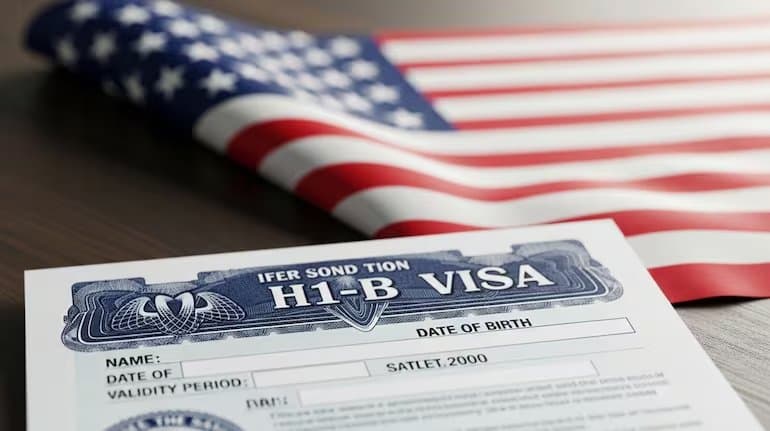
The H-1B visa is one of the most sought-after work visa classifications in the United States, allowing U.S. employers to hire foreign professionals for specialty occupation positions. This roadmap covers everything you need to know — from basic eligibility and the Labor Condition Application process to the annual cap lottery, the new $100,000 fee requirement, weighted selection, and strategies for founders, recapturing time, and more.

H-1B1 Visa
Roadmap
The "Fast Track H-1B" for Chilean and Singaporean Professionals
The H-1B1 visa offers a streamlined path for nationals of Chile and Singapore to work in specialty occupation positions in the United States. This guide covers eligibility requirements, the application process, documentation needs, and strategic considerations to help you navigate the H-1B1 classification with confidence.

H-3 Visa
Roadmap
Your Guide to the H-3 Nonimmigrant Trainee Classification
The H-3 visa allows foreign nationals to participate in training programs hosted by U.S. businesses and organizations, then return abroad to apply their newly gained knowledge. This guide covers eligibility requirements, documentation, admission periods, special categories for medical professionals and special education exchange visitors, and strategic alternatives to the H-3 classification.

Start Your Own Company
While in H-1B Status
A Simplified Guide for Entrepreneurial H-1B Visa Holders
Starting your own company while on an H-1B visa requires carefully navigating complex legal landscapes, as your H-1B is tied to your specific sponsoring employer and any unauthorized work could lead to serious immigration consequences. With careful planning, however, you can pursue your entrepreneurial dreams without violating your status and prepare to transfer your H-1B to your own company. This guide provides an overview of the general steps to legally establish your company while complying with H-1B limitations.

Consular Processing
vs. Adjustment of Status
Understanding Your Two Pathways to Permanent Residency
There are two primary ways to obtain U.S. permanent residency (a green card): Immigrant Visa Processing (also known as Consular Processing) and Adjustment of Status. Each pathway has distinct eligibility requirements, processing timelines, travel and work restrictions, and associated fees. This guide provides a detailed side-by-side comparison to help you understand which option may be right for your situation.

J-1 Visa
Roadmap
Your Guide to the Exchange Visitor Program for Interns and Trainees
The J-1 exchange visitor visa enables foreign nationals to gain hands-on experience in the United States through authorized work or study programs. This roadmap covers the two most frequently used J-1 categories—interns and trainees—including eligibility requirements, the application process, documentation, costs, and important strategies such as navigating the two-year home-residency requirement.

L-1 Visa
Roadmap
Your Path to Intracompany Transfer to the United States
The L-1 classification is granted to foreign nationals coming temporarily to the U.S. to perform services in an executive, managerial, or specialized knowledge capacity. This comprehensive roadmap will guide you through eligibility requirements, qualifying relationships, and strategic options for success.

Laying Off
Foreign Workers
Essential Compliance Steps for Employers
As an employer hiring foreign workers, you are under additional legal obligations that do not apply to U.S. workers when it comes to termination. This guide summarizes your obligations and the steps you need to take when laying off a foreign worker, organized by their visa category.

Maintaining Your
Permanent Residence
Understanding Reentry Permits, Abandonment Risks, and How to Protect Your Green Card During Extended Absences
Obtaining a Green Card is a major milestone, but permanent residence status can be lost through lengthy or frequent absences from the United States. This guide explains the rules around abandonment of residence, how to obtain a Reentry Permit, what to expect when returning through Customs & Border Protection, and alternative options like the SB-1 Returning Resident Visa and the N-470 application for preserving residence for naturalization purposes.

Naturalization
Eligibility Roadmap
Your Path to U.S. Citizenship Through Naturalization
Becoming a U.S. citizen through naturalization requires meeting several important requirements set by U.S. Citizenship and Immigration Services (USCIS). This roadmap outlines the key criteria and steps for naturalization, providing a clear understanding of what is necessary to apply — from residency and physical presence requirements to the English and civics tests.

The New H-1B
Lottery Process
Understanding the Beneficiary-Centric Registration & Selection System
Due to a history of abuse of the H-1B cap lottery process by some U.S. companies, USCIS launched a new beneficiary-centric registration and selection process. This guide explains how the new system works, what documentation is required, and what petitioners and beneficiaries need to know to navigate the process successfully.

O-1 Visa
Roadmap
Your Path to Working in America as an Extraordinary Individual
The O-1 classification is for foreign nationals who can demonstrate extraordinary ability in their line of work and are coming temporarily to the U.S. to perform services in their area of expertise. This comprehensive roadmap will guide you through eligibility requirements, documentation, and strategic options for success.

O-1A Visa Criteria
Explained
Understanding the Evidentiary Requirements for Extraordinary Ability in Science, Education, Business, or Athletics
The O-1A visa is reserved for individuals who have demonstrated extraordinary ability in science, education, business, or athletics. This guide walks through each of the qualifying criteria, the types of evidence USCIS expects, and important cautionary notes to help you build the strongest possible petition.

O-1B Visa Criteria
Explained
Qualifying Criteria & Evidence Requirements for Extraordinary Ability in the Arts
The O-1B visa is available to individuals of extraordinary ability in the arts, including the motion picture and television industry. This guide breaks down every qualifying criterion, explains the evidence needed to satisfy each one, and highlights common pitfalls that can weaken your petition.

While You Are
on OPT
Essential Rules and Requirements for F-1 Students on Optional Practical Training
Once your OPT application is approved, there are critical rules you must follow to maintain your F-1 status. This guide covers everything from receiving your EAD card and beginning employment, to travel requirements, reporting obligations, and the consequences of exceeding your allowable unemployment period.

PERM Green Card
Roadmap & Timeline
Employer-Sponsored Permanent Residence Through Labor Certification
Employment-based immigrant petitions in the EB-2 and EB-3 categories generally require a certified Application for Permanent Employment Certification (PERM) from the Department of Labor. This guide walks employers and foreign nationals through each step of the PERM-based green card process — from labor market testing and I-140 filing to the final green card application — along with estimated timelines, government filing fees, and legal costs.

Permanent Changes
in Work Location
DOs and DON'Ts for Employers and Foreign Nationals
When a foreign national working in the U.S. permanently relocates to a new office or moves their residence to a different worksite, important immigration obligations may be triggered. Depending on the visa classification, a change in worksite location may require new or amended filings with the U.S. government. Failing to comply can result in a violation of status and potentially serious immigration consequences. This guide breaks down the requirements by visa type so employers know exactly what to do.
Preparing for Your
Medical Exam
A Complete Guide to the I-693 Civil Surgeon Medical Examination
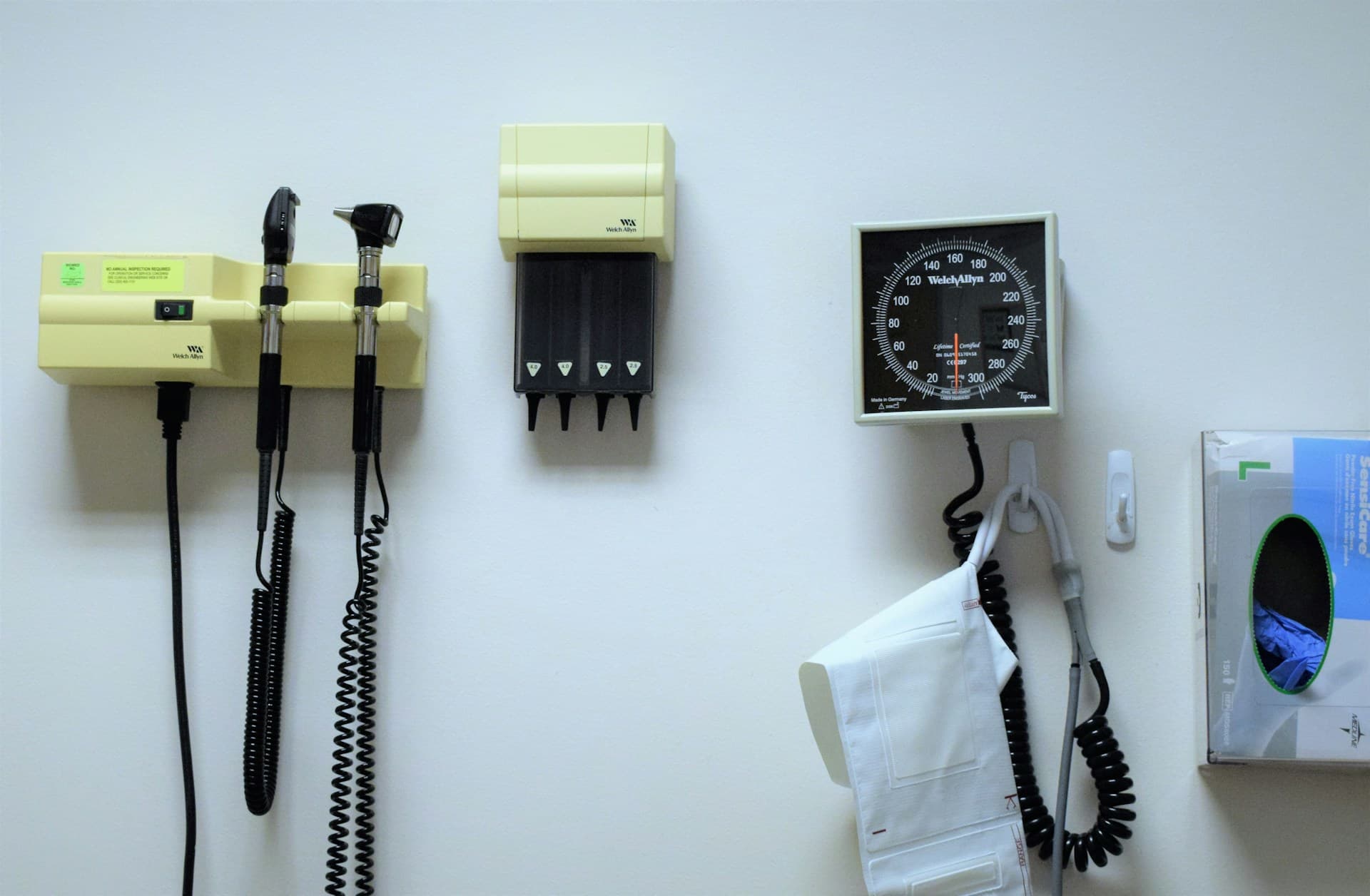
As part of your green card application, you must undergo a medical exam with an authorized physician ("civil surgeon") who will complete Form I-693, Report of Medical Examination and Vaccination Record. This exam ensures that you are not inadmissible to the United States due to public health concerns and confirms that you have received the necessary vaccinations required for U.S. immigration. This guide covers the health-related grounds of inadmissibility and provides step-by-step instructions for preparing for your exam.

Public Charge &
I-864 Sponsorship
Frequently Asked Questions About the Public Charge Rule and Sponsor Obligations
Understanding the public charge rule is critical for anyone navigating the U.S. immigration system—whether you're applying for a visa, seeking a Green Card, or sponsoring a family member. This guide answers the most common questions about what public charge means, which benefits are considered, who is exempt, and what responsibilities come with signing an I-864 Affidavit of Support.

R-1 Religious
Worker Visa
Your Complete Roadmap to Working in the U.S. as a Religious Worker
The R-1 visa classification allows clergy members and other religious workers to come to the United States to temporarily work for a bona fide nonprofit religious organization. This guide covers everything you need to know about R-1 eligibility, required documentation, USCIS site visits, admission periods, family considerations, and strategic options including compensation structures and dual intent.

Rescheduling Your
Biometrics Appointment
How to Use the USCIS Online Rescheduling Tool
If you cannot attend your scheduled biometrics appointment, USCIS now offers an online tool to reschedule. This guide walks you through the process step by step, explains what qualifies as a valid reason for rescheduling, and highlights critical deadlines and limitations you need to know.

Spousal Green Card
LPR Sponsor Roadmap
A step-by-step guide for Lawful Permanent Residents sponsoring a spouse for a Green Card
If you are a Lawful Permanent Resident, you can sponsor your foreign national spouse for a Green Card. This guide walks you through the entire marriage-based Green Card process — from filing the I-130 petition to obtaining permanent residence through either Adjustment of Status or the Immigrant Visa Process. Learn about requirements, documentation, processing timelines, conditional residence, and important strategies to keep in mind along the way.
.jpg&w=3840&q=75)
Spousal Green Card
Roadmap
Adjustment of Status for Spouses of U.S. Citizens Filing from Inside the United States
If you are a U.S. citizen sponsoring your foreign national spouse for a Green Card from within the United States, this guide walks you through the entire Adjustment of Status process — from filing the initial petition to receiving the Green Card, including requirements, documentation, timelines, and important strategies to keep in mind.

TN Visa
Roadmap
Your Path to Working in America as a USMCA Professional
The TN classification is well-suited for Canadian and Mexican citizens seeking a U.S. work permit and whose occupation is on the list of professional occupations under the United States-Mexico-Canada Agreement (USMCA). This comprehensive roadmap will guide you through eligibility requirements, application procedures, and creative strategies for success.
.jpg&w=3840&q=75)
Using an Agent
for Your O-1 Visa
Frequently Asked Questions About U.M. Management Corp.
For self-employed individuals or majority business owners seeking O-1 visa status, using an agent is often essential. This guide answers the most common questions about working with U.M. Management Corp. as your petitioning agent, including fees, the engagement process, adding employers, and your responsibilities as an independent contractor.
Need Personalized Guidance?
Our guides provide a solid foundation, but every immigration case is unique. Schedule a consultation with our attorneys to discuss your specific situation.
Want to stay updated?
Subscribe to our mailing list to keep up with latest news, updates, and insights on U.S. immigration law and policy.